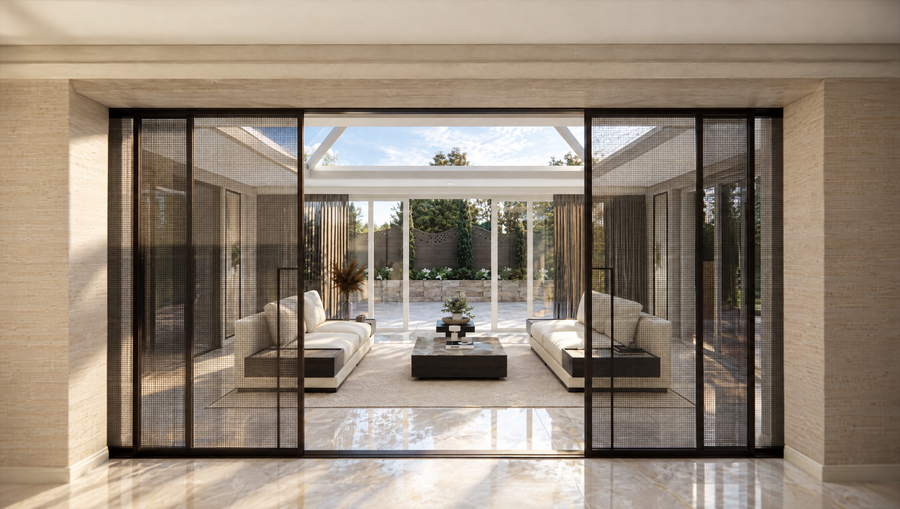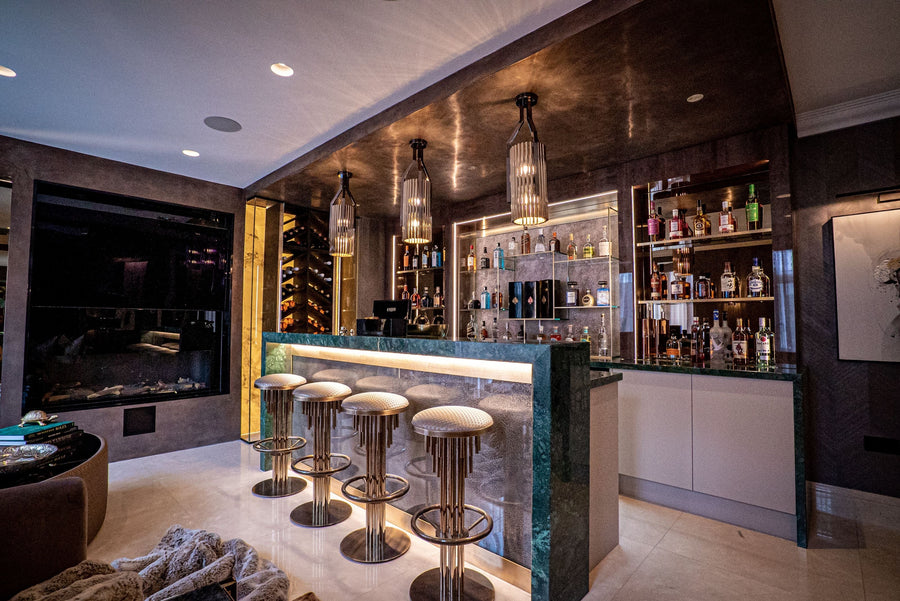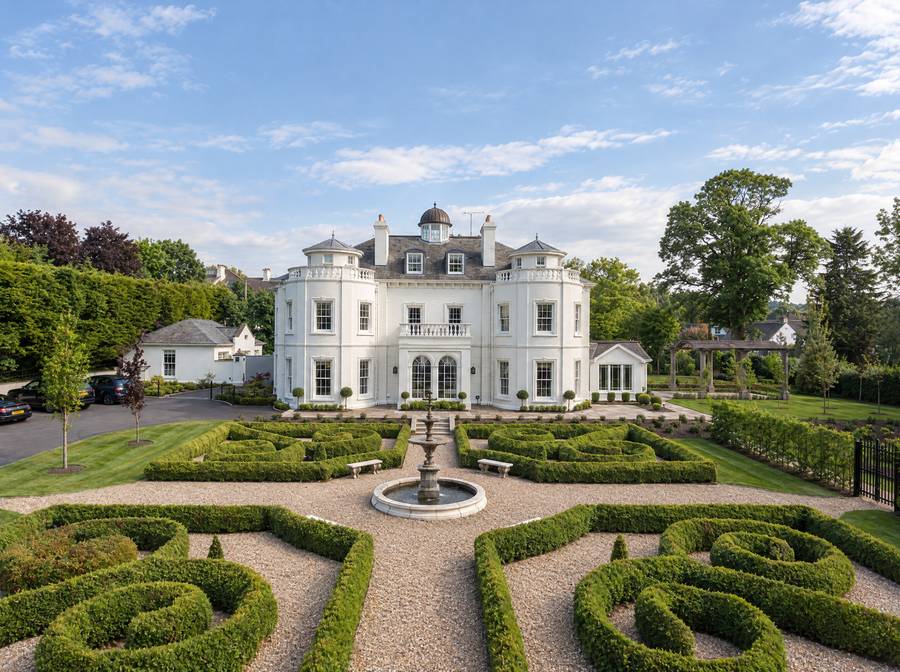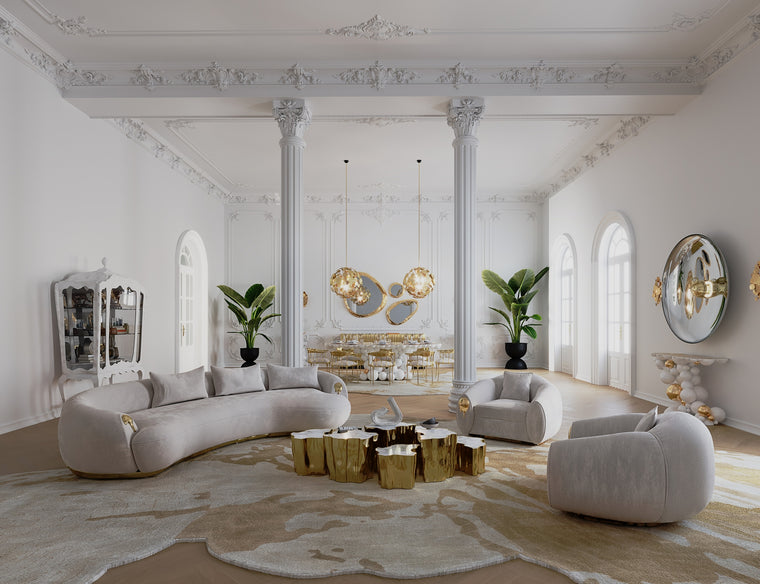




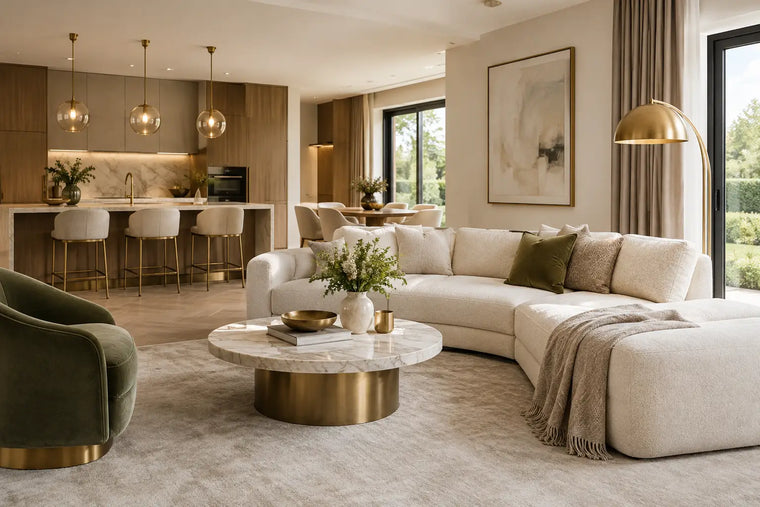

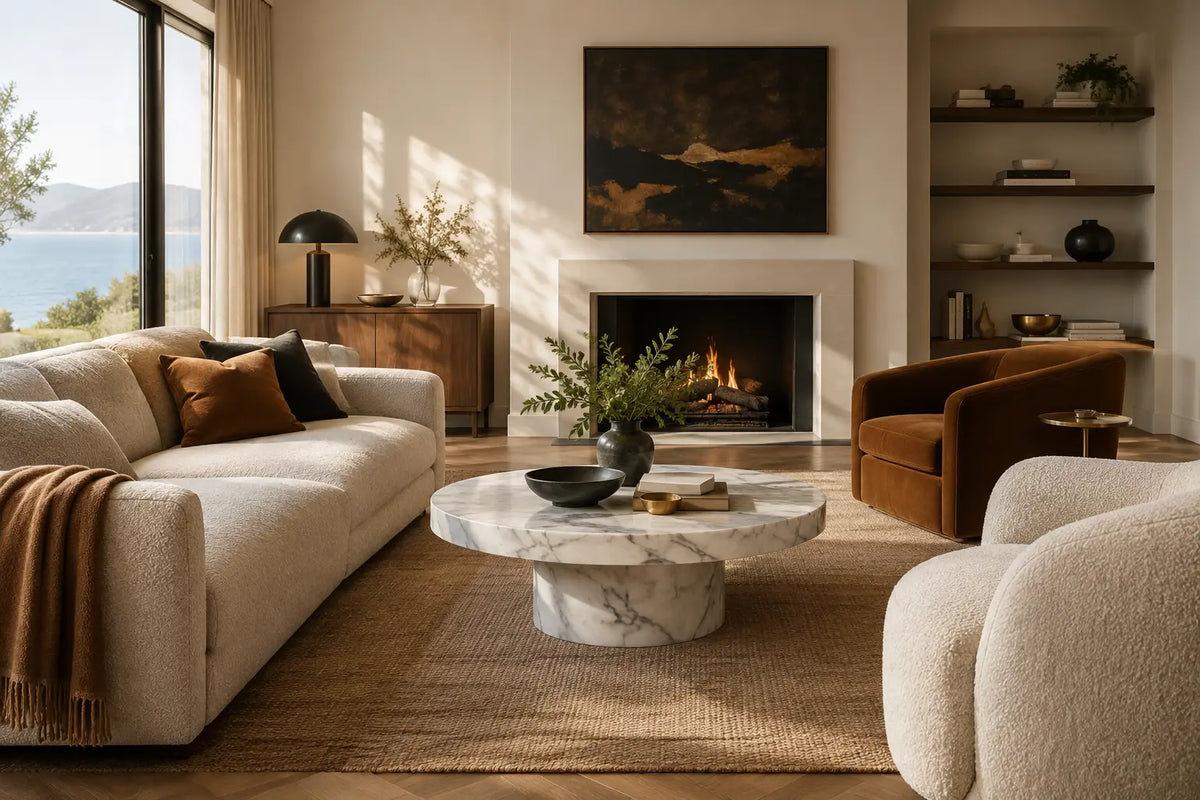
A second home should feel familiar from the moment the door closes behind you, yet it must work very differently from a principal residence. It may sit empty for weeks, welcome several generations at once, or serve as a quiet base between demanding journeys. This second home interiors guide considers the decisions that give a retreat its ease: durable beauty, thoughtful storage, dependable comfort and a character that belongs to its setting.
The most successful schemes are not replicas of a main home. They are carefully edited responses to how the property is genuinely used. A coastal house might call for light-filtering linen, tactile timber and finishes that tolerate salt air. A city pied-à-terre may need discreet technology, excellent lighting and furniture with a compact footprint. In each case, the objective is a home that feels composed on arrival rather than a place that requires settling into.
Start with the rhythm of the property
Before selecting a sofa or considering a palette, establish the rhythm of occupation. How often is the house used, how many people stay, and who is responsible for opening and closing it? These practical questions shape almost every worthwhile interior decision.
A weekend country home used by a family needs generous seating, a dining table that accommodates changing numbers and hardwearing fabrics that do not ask guests to be overly cautious. A villa used principally during long summer stays may support more delicate textiles, but it also needs shaded external living areas and sufficient storage for entertaining equipment. For a lock-up-and-leave flat, visual calm and operational simplicity tend to matter most.
It is also wise to identify the moments that should feel effortless: arriving late on a Friday, making breakfast for ten, putting children to bed after a long journey, or hosting friends without moving furniture from room to room. Designing around these routines produces a far more convincing result than designing around a single photograph.
Create a distinct sense of place
A second home benefits from a clear identity, but theme can quickly become costume. Rather than filling a coastal property with literal nautical references or a mountain residence with excessive reclaimed timber, look to the architecture, landscape and quality of light for direction.
Local stone, regional craft traditions and the tones visible beyond the windows can inform a material language without making the rooms predictable. In a Mediterranean setting, softly plastered walls, honed stone and aged brass may feel entirely natural. In a British rural house, oak, wool, patinated leather and painted joinery can offer warmth while retaining restraint. The best choices often appear inevitable because they respect the building rather than compete with it.
A considered contrast can be equally effective. Contemporary sculptural lighting in a traditional house, for example, gives a room a sense of the present day. The key is proportion and quality. One decisive contemporary gesture is often stronger than a collection of competing statements.
Plan the second home interior around arrival and departure
The entrance earns particular attention in a property used intermittently. It needs to receive luggage, coats, outdoor shoes and keys without becoming a dumping ground. Built-in cabinetry, a proper bench, concealed charging and a surface for post or flowers establish order immediately. In wet or rural locations, a separate boot room with washable flooring and substantial drying provision is an investment in the daily life of the house.
Departure is the less glamorous but equally important consideration. Specify places for spare linen, luggage, cleaning equipment and household manuals. Integrated cupboards reduce visual noise and help staff or owners prepare the property efficiently between visits. A dedicated locked cabinet for personal items allows the home to remain welcoming if it is shared with extended family or managed for occasional guests.
This is where bespoke joinery proves its value. It can use awkward corners, conceal practical equipment and make storage feel integral to the architecture. Freestanding furniture has its place, particularly in listed properties or where flexibility is required, but it rarely solves the operational demands of a second home as elegantly.
Choose materials that improve with use
There is a difference between selecting resilient materials and making a home feel guarded. The aim is not to remove every beautiful surface, but to place materials intelligently according to their exposure and function.
For upholstery, performance linen blends, treated velvets, finely woven wool and quality outdoor textiles used indoors can offer tactility alongside greater resistance to spills and sunlight. A loose-cover sofa is useful in informal family rooms, although it is not automatically the most refined answer: the tailoring, fabric weight and fit must be exceptional. In more formal spaces, a fixed-cover piece in a tightly woven textile may hold its line better over time.
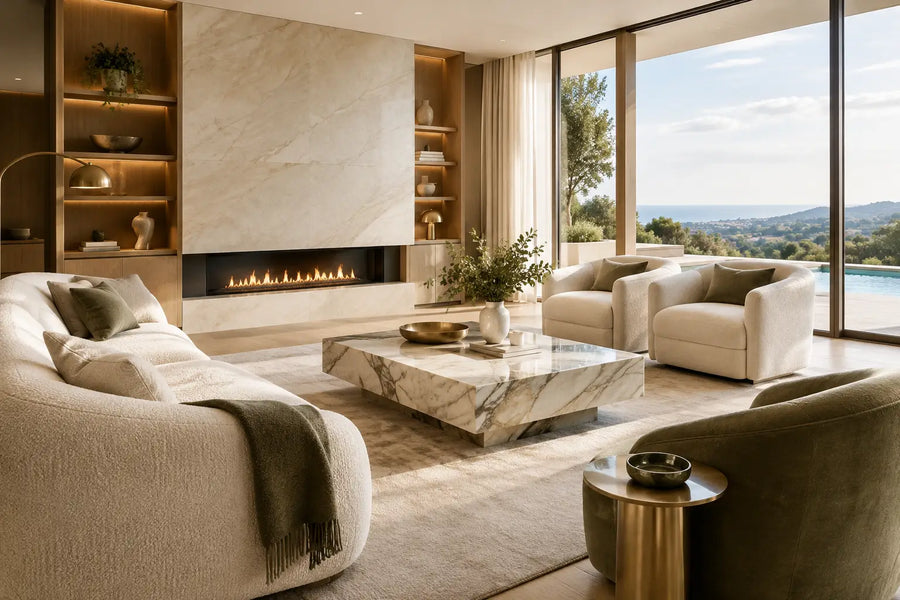
Natural stone merits a similarly nuanced approach. Honed marble and limestone offer depth that manufactured surfaces struggle to imitate, but they will acquire marks if used casually. In a house where that gentle ageing is welcome, they are excellent choices. Where owners expect a pristine, highly active kitchen, a carefully selected quartzite or sintered stone may be more appropriate. The right decision depends on appetite for patina, not simply on perceived prestige.
Flooring should be considered as a continuous backdrop rather than a finish chosen room by room. Wide-plank timber brings warmth to living spaces, while stone, porcelain or brick may be better suited to entrances and areas opening directly onto terraces. Rugs then provide acoustic softness and define seating arrangements, particularly in open-plan rooms. Use substantial underlay and select fibres appropriate to traffic, as an exquisite rug that constantly slips or shows every footprint will soon become an irritation.
Invest in comfort beyond the obvious
A beautiful guest bedroom can still fail if blackout is inadequate, bedside lighting is poorly placed or there is nowhere to put a suitcase. Second-home comfort is built through these quiet practicalities. Layer ambient lighting with reading lights and low-level illumination for night-time movement. Provide usable bedside surfaces, accessible sockets and window treatments that control both privacy and early morning light.
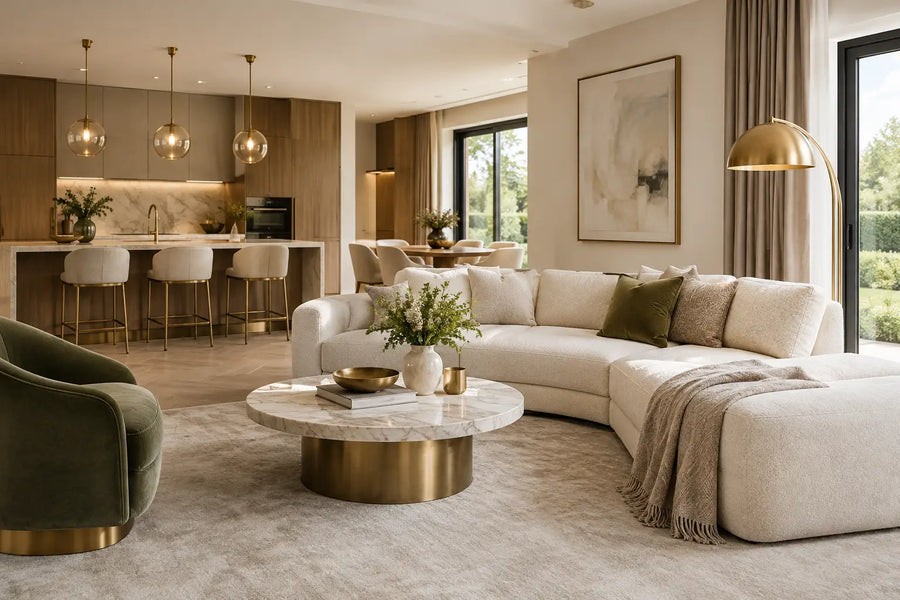
In living rooms, resist the temptation to create a single formal seating composition. People gather differently on holiday or during a weekend away. A combination of a generous sofa, two well-scaled occasional chairs and movable stools gives the room flexibility without looking improvised. Consider sightlines too: the fire, garden, sea view or artwork should have a relationship to the seating, not be an afterthought.
Climate control needs the same level of design attention. Underfloor heating creates a calm visual environment and is particularly welcome in bathrooms and stone-floored spaces. However, a room also requires an effective ventilation strategy, especially in properties left closed for periods. Discreet cooling, humidity management and window treatments that limit solar gain protect both comfort and the interior investment itself.
Use lighting to change the house after dark
Second homes are often enjoyed most in the evening, when the daytime view recedes and the rooms need to carry the atmosphere. Avoid relying on a central ceiling fitting alone. It flattens texture and leaves corners either gloomy or overlit.
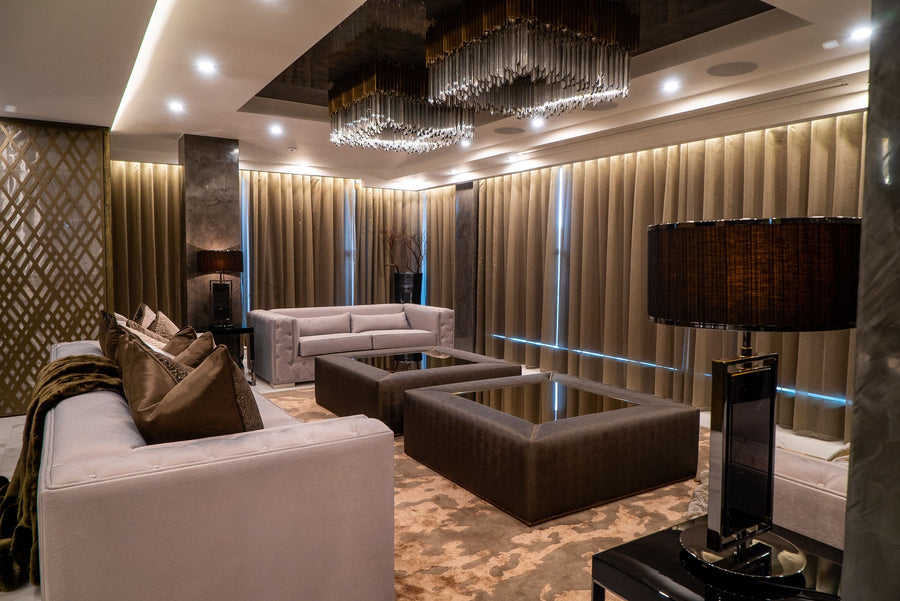
A layered scheme usually combines architectural lighting, decorative fittings and local task light. Wall lights soften circulation spaces; table lamps make sitting rooms hospitable; carefully aimed joinery lighting brings depth to shelving and display. Dimmers should be planned throughout, not added as an afterthought. They allow one room to shift from family breakfast to dinner for guests without changing its character.
For homes overseas or properties managed remotely, lighting controls can be useful, but they should remain intuitive. Technology is worthwhile when it reduces friction: pre-set arrival scenes, exterior lighting that supports safe access, and simple controls for guests. Systems that require specialist knowledge to operate are rarely appropriate for a retreat intended to restore ease.
Furnish for permanence, not occasional use
A second residence is sometimes treated as the place for surplus furniture from a main house. This can work for a cherished antique or a meaningful artwork, but it rarely creates a coherent interior. The property deserves furnishings selected for its rooms, climate and way of life.
Prioritise pieces with strong construction, comfortable proportions and finishes that can be maintained. A dining table with a generous overhang and durable edge detail will serve far better than a delicate piece that limits how the room is used. Likewise, a deeply comfortable sofa with a well-engineered frame retains its appeal long after a more fashion-led silhouette has dated.
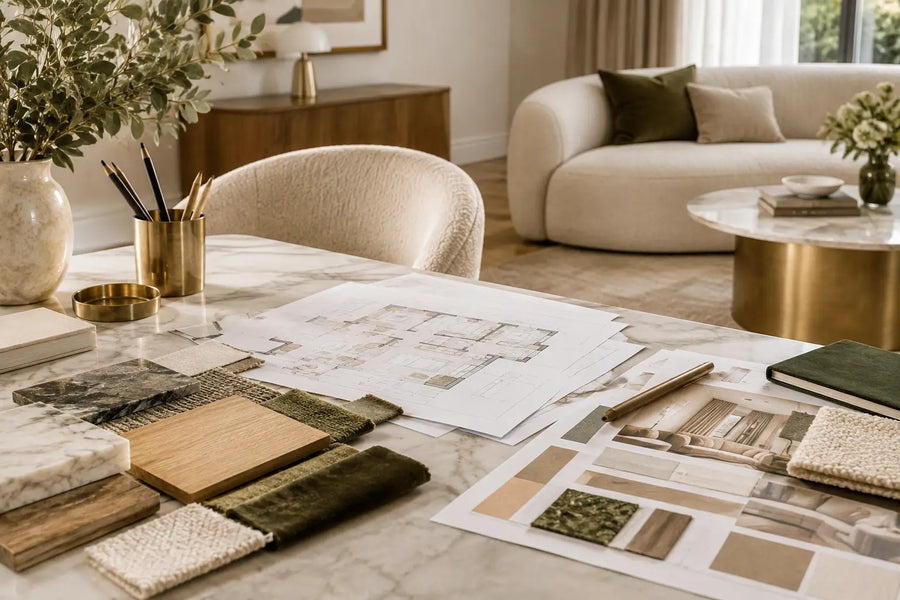
There is value in leaving room for a home to develop. Start with the architectural envelope, foundational furniture and lighting, then introduce art, collected objects and personal references with care. A second home should not feel staged for a first visit; it should acquire quiet familiarity over many returns.
A well-resolved retreat makes arrival feel immediate and departure uncomplicated. Give equal consideration to the invisible work of storage, maintenance and lighting as to materials and furniture, and the house will reward its owners with a lasting sense of welcome.
Touched Interiors
The Insider is written by the Touched Interiors design studio in Manchester, founded by Kunal Trehan in 2009 and named Interior Design Studio of the Year in 2024 and 2025. About the studio.