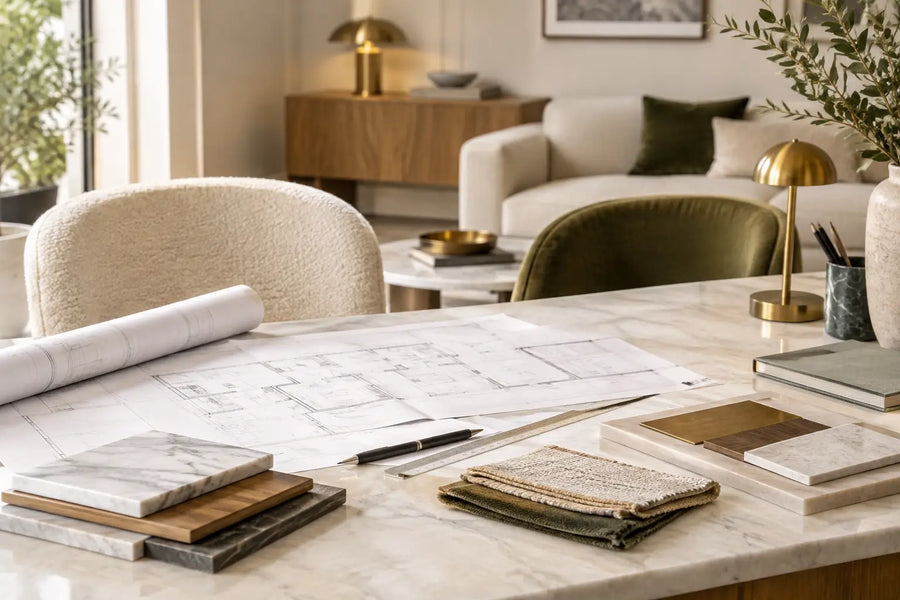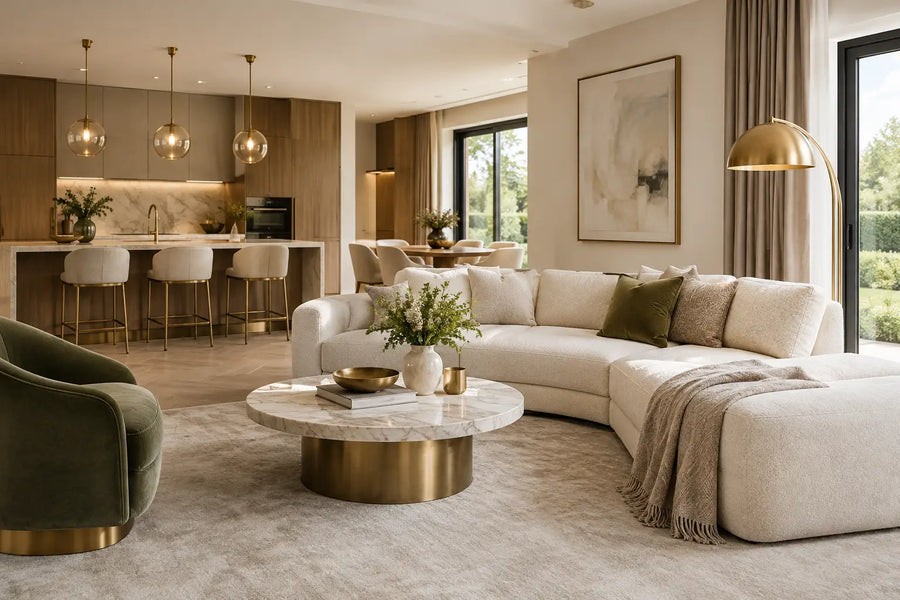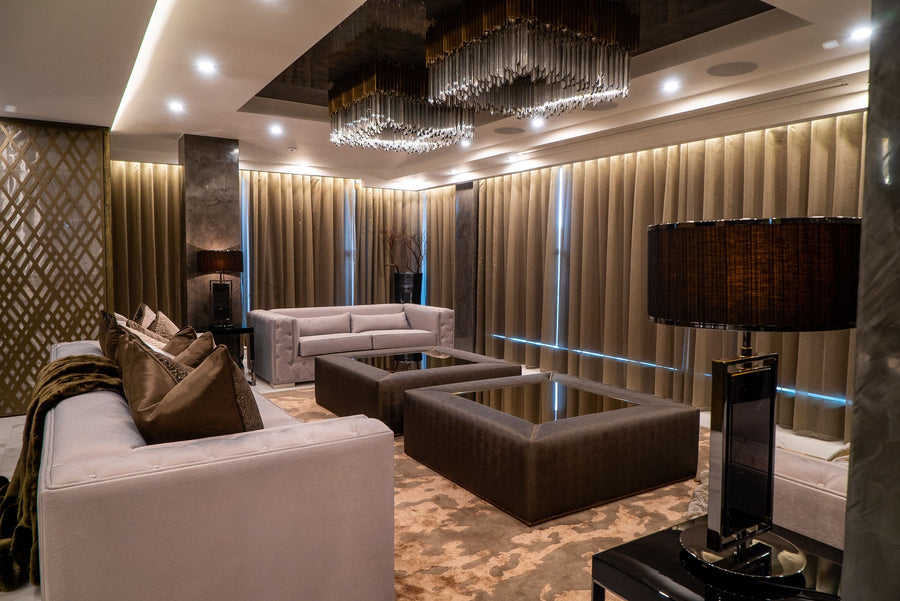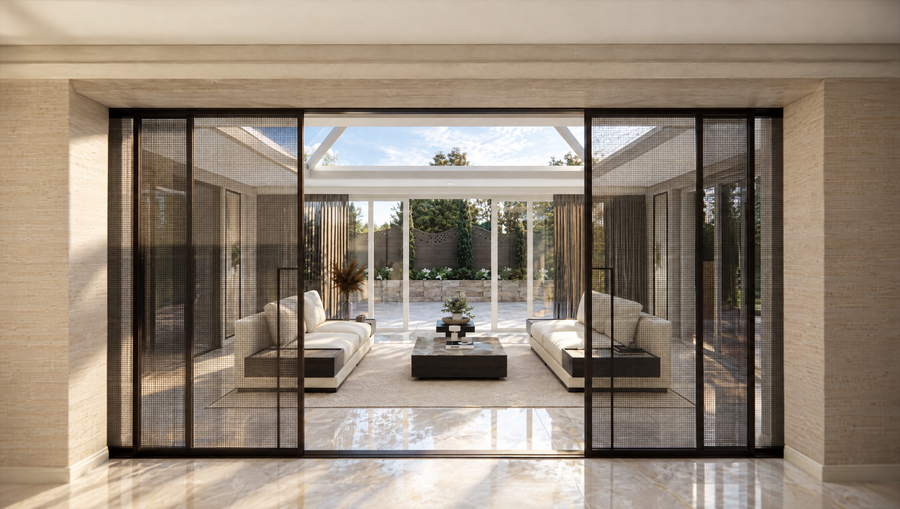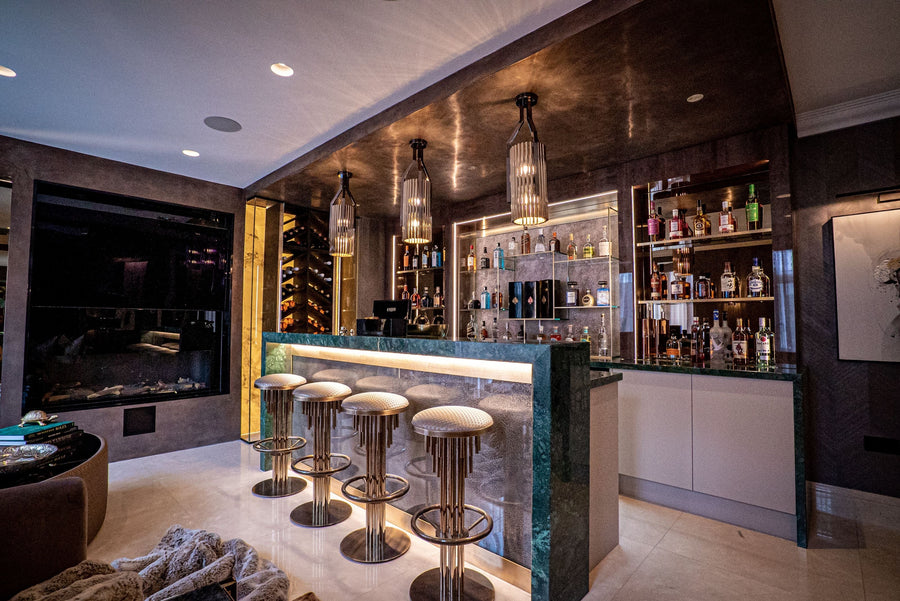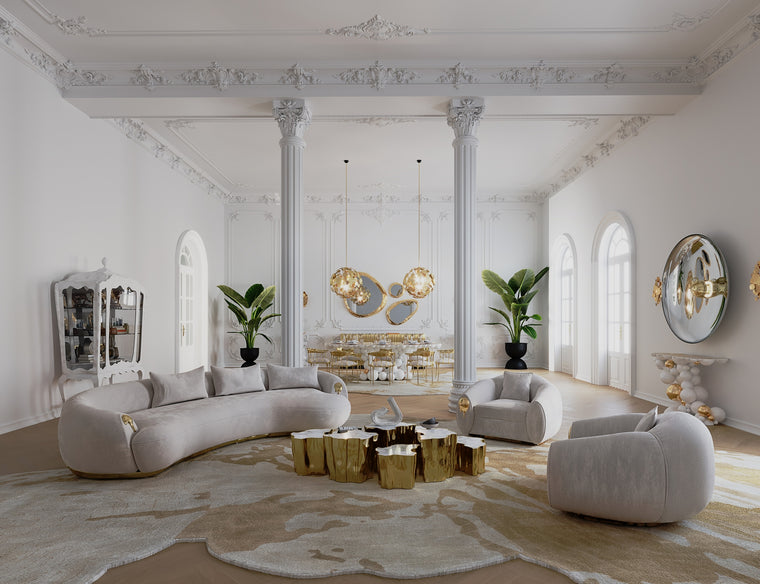




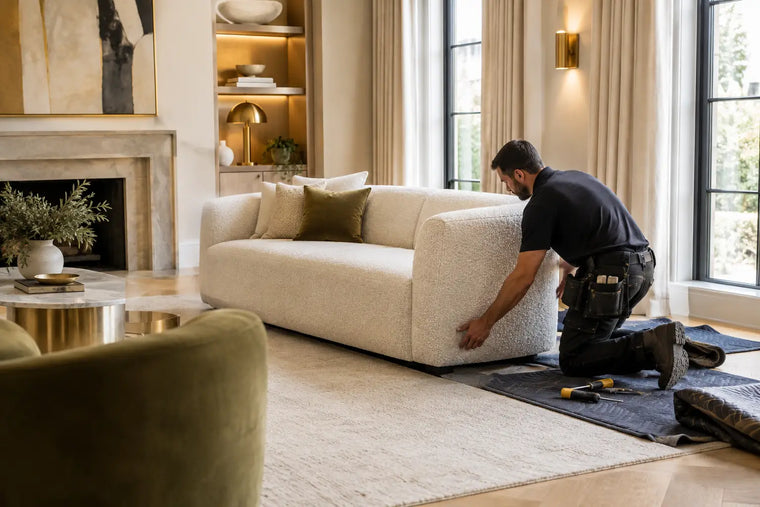

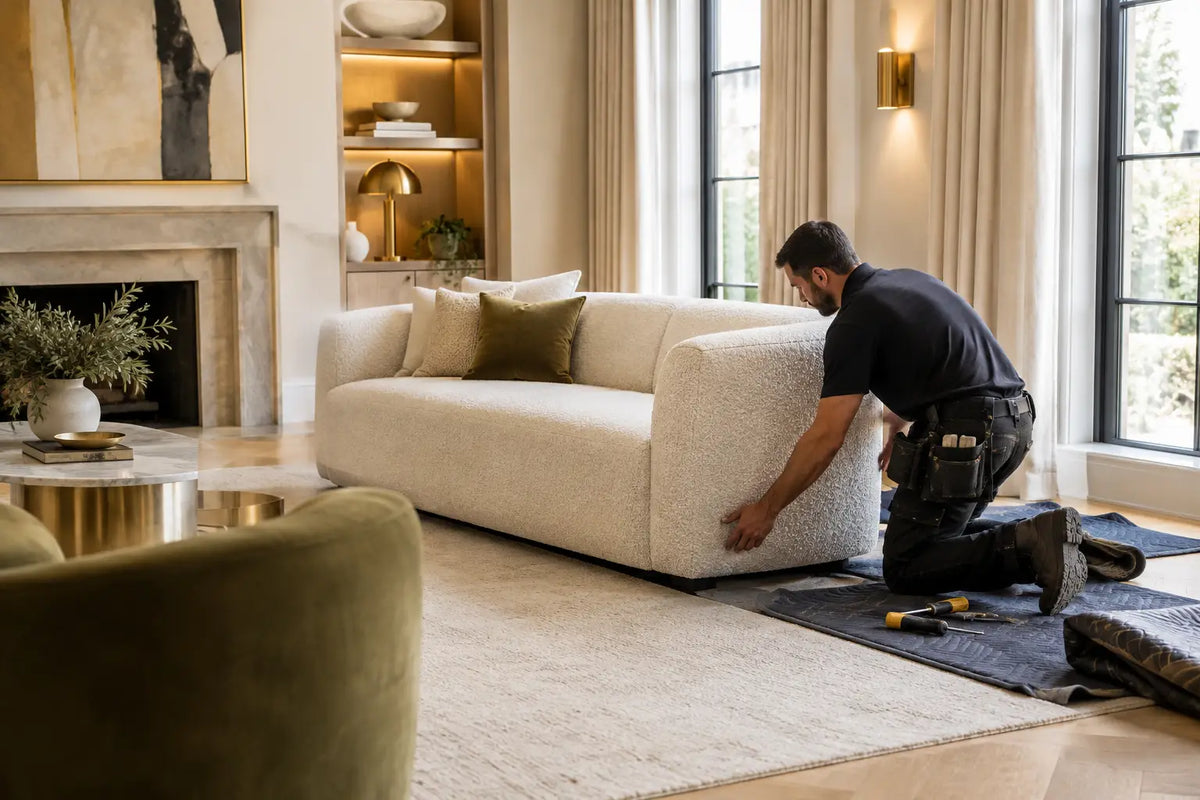
A beautifully resolved room can unravel in a single morning if a marble table arrives before the flooring has cured, a bespoke headboard is fitted against an unfinished wall, or lighting is installed without its final aiming. So, do interior designers manage installations? For a full-service studio, installation is not an administrative afterthought. It is the point at which drawings, materials, craftsmanship and procurement are tested in the reality of the home.
The short answer is that many interior designers do manage installations, but the level of involvement varies considerably. Some provide a design scheme and leave coordination to the client or contractor. Others remain responsible for installation planning, delivery schedules, specialist trades, quality checks and final styling. For substantial residences, the latter approach is often what protects both the investment and the original design intent.
Do interior designers manage installations from start to finish?
A full-service interior designer typically manages the furnishing and finishing installation from the moment goods begin to arrive through to final placement and styling. This may include coordinating furniture deliveries, checking bespoke pieces, overseeing the fitting of curtains and blinds, positioning decorative lighting, arranging artwork, and ensuring accessories are proportioned thoughtfully within the completed rooms.
However, an interior designer is not automatically the principal contractor. Structural work, building regulations, mechanical and electrical systems, and site safety usually sit with the architect, project manager, main contractor or specialist consultant. The most effective projects have clear boundaries of responsibility from the outset. The designer directs the aesthetic and functional outcome, while working closely with those accountable for construction and technical compliance.
In a turnkey residential project, those roles are deliberately coordinated rather than treated as separate disciplines. A lighting specification, for instance, may begin with atmosphere and visual balance, but it also requires fixing locations, control systems, ceiling details, load requirements and careful installation on site. The designer’s role is to ensure that the technical solution continues to serve the room, rather than diluting it.
Why installation management matters in luxury interiors
Luxury interiors are rarely assembled from standard, immediately available pieces. A sofa may have a specific depth to suit the room’s circulation; a dining table may be made to a precise length; wallcoverings may require specialist preparation; and a chandelier may need a concealed support system designed long before it is delivered. These decisions carry dependencies.
Installation management brings those dependencies into sequence. Before a delivery date is confirmed, a designer or procurement team should understand site access, lift dimensions, parking restrictions, storage conditions and the readiness of each room. In a period property, this can be as consequential as the furniture itself. Narrow staircases, protected architectural features and uneven walls demand a measured approach, not a delivery schedule based on optimistic assumptions.
There is also a significant quality-control element. Bespoke does not mean infallible. Finishes must be checked in the correct light, upholstery examined for consistency, cabinetry aligned, and dimensions verified against the approved drawings. A small discrepancy is often straightforward to address before a piece is installed. Once a room is occupied and multiple trades have moved on, remedial work becomes more disruptive and expensive.
The same care applies to placement. A statement chair may be exquisitely made, yet feel misplaced if it obstructs a view, interrupts a route to the terrace or sits outside the intended pool of light. Installation is where scale, sightlines and daily use become tangible. It is the practical discipline behind rooms that appear effortless.
What an installation service usually includes
The scope should be set out clearly in the appointment, as terminology differs between studios. A comprehensive service commonly starts with a detailed installation programme, coordinated with the build team and suppliers. This schedule identifies what arrives, when it arrives, where it is stored and who is responsible for receiving it.
On site, the designer’s team may oversee white-glove delivery, unpacking and placement, with protective measures in place for completed floors, joinery and wall finishes. They will generally coordinate specialist installations such as bespoke cabinetry, mirrors, window treatments, rugs, decorative lighting and commissioned artwork. If a delivery is damaged or incomplete, the procurement team records the issue, liaises with the supplier and manages the appropriate resolution.
The final stage is often called dressing or styling, though it should not be confused with simply adding cushions. It is a considered process of arranging objects, books, art, florals and textiles so that rooms feel inhabited without appearing over-composed. It also provides a final opportunity to assess the home as a whole: the relationship between rooms, the consistency of finishes and the balance between visual richness and calm.
At Touched Interiors, installation forms part of a wider turnkey approach, connecting procurement and technical detailing with the final experience of living in the property. The value lies in continuity. The person who understands why a particular piece was selected is present when its position, lighting and relationship to the architecture are decided.
Installation is not always necessary
For a single furniture purchase or a contained room refresh, full installation management may be disproportionate. A client who has an experienced contractor, reliable access to the property and confidence in handling deliveries may only require delivery coordination or guidance on placement. Equally, some clients prefer to arrange their own installation, particularly when a property is outside the UK or the project is being completed in phases.
The appropriate level of service depends on the complexity of the specification. A ready-made occasional chair and table lamp involve little risk. A residence with made-to-measure joinery, layered lighting, upholstered wall panels, hand-finished furniture and multiple international deliveries requires a different degree of control.
It also depends on timing. In a newly built penthouse, the final weeks can involve contractors completing snagging, audiovisual specialists commissioning systems and building management imposing delivery restrictions. Installation management is particularly valuable here because it creates one coordinated plan instead of asking the client to reconcile competing schedules.
Questions to ask before appointing a designer
A clear conversation before work begins prevents assumptions later. Ask if installation coordination is included in the scope, and establish who will be physically present on installation days. It is also sensible to ask who receives and inspects goods, how damages are documented, where deliveries can be stored, and how final snagging is handled.
Clarify the distinction between furniture installation and construction management. If a bespoke wardrobe needs fitting, for example, the designer may coordinate the joiner and confirm the finish, while the main contractor remains responsible for preparing the opening, providing power where required and ensuring the site is safe. Good project delivery is collaborative, but accountability should never be vague.
Finally, discuss the handover. A considered handover may include care information for stone, timber, upholstery and specialist finishes, as well as instructions for lighting scenes, window treatments and other integrated elements. This is particularly useful in homes that are used seasonally or managed by household staff.
The difference is felt after the installers leave
The success of an installation is not measured by how quickly a room is filled. It is measured by what remains once the packaging, ladders and delivery teams have gone: doors that open freely, lighting that flatters materials, furniture that supports the way people move and gather, and details that have been resolved rather than hurried.
For clients commissioning a considered interior, installation management offers something quietly valuable: assurance that the final result reflects the decisions made months earlier, down to the last proportion, finish and place setting.
Touched Interiors
The Insider is written by the Touched Interiors design studio in Manchester, founded by Kunal Trehan in 2009 and named Interior Design Studio of the Year in 2024 and 2025. About the studio.