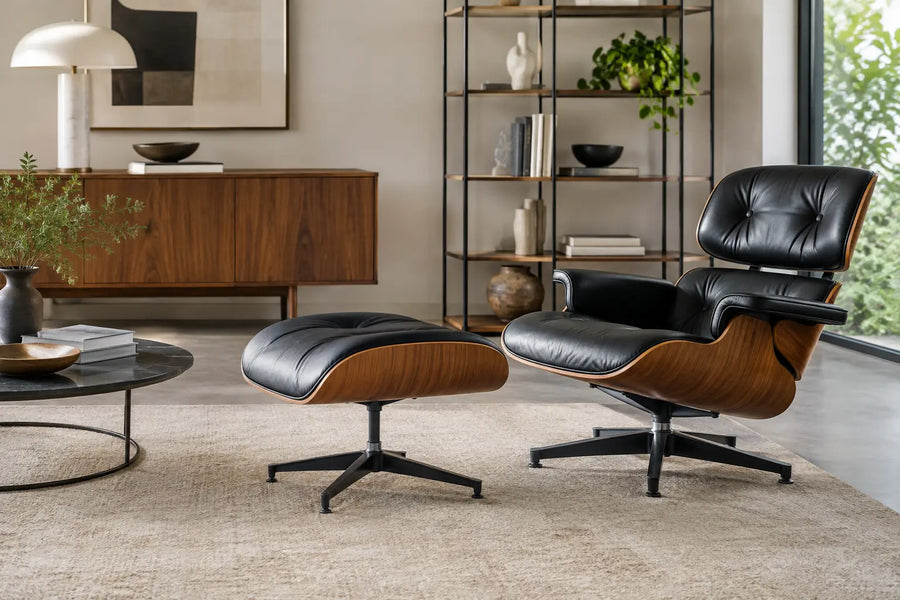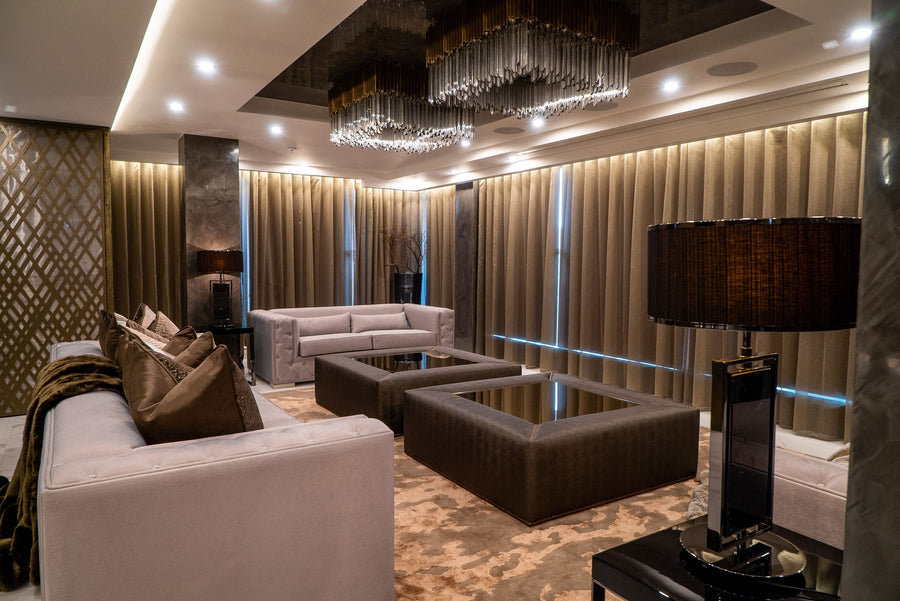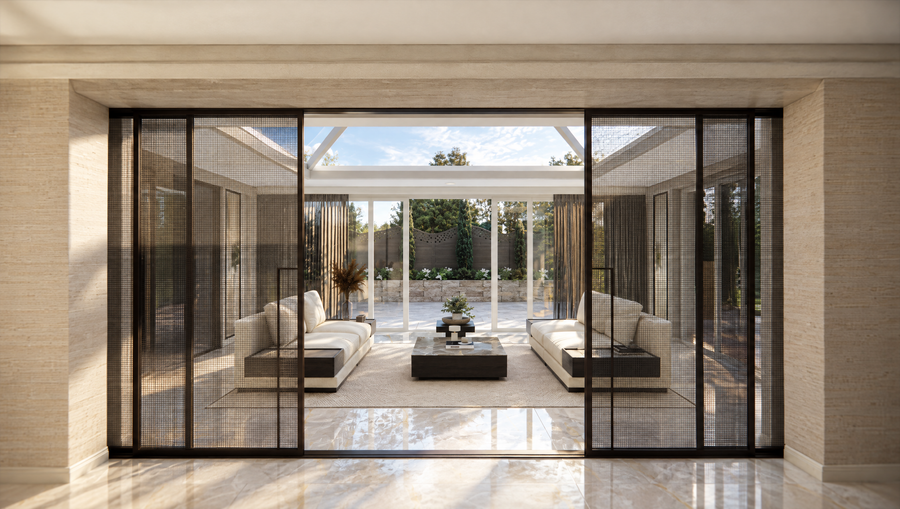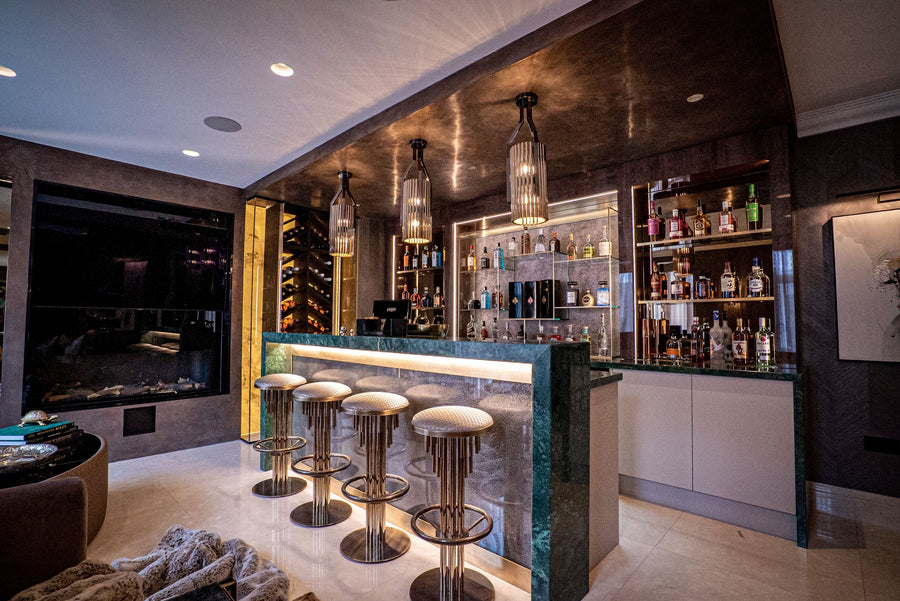

A beautifully resolved room can be undone by one overlooked detail: a sofa that cannot pass through the stairwell, a pendant specified before the ceiling structure is confirmed, or dining chairs arriving months before the table. Navigating the furniture procurement process is therefore not simply a matter of selecting desirable pieces. It is the careful co-ordination of design intent, technical information, production, logistics and installation.
For private residences, particularly projects involving renovation or new-build works, procurement is the point at which a design becomes tangible. It demands a clear brief, disciplined decision-making and enough foresight to protect both the visual composition and the practical realities of daily life.
Begin with a fully resolved design brief
Procurement should follow the design, not attempt to create it. Before a single order is placed, the room needs a clear purpose, a spatial plan and an understanding of how the household will use it. A formal drawing room may support a sculptural sofa with a lower seat height and a more delicate upholstery, while a family room requires greater consideration of comfort, movement, durability and maintenance.
At this stage, proportion matters as much as style. Furniture plans establish circulation routes, sightlines, door swings and the relationship between each piece. In a large open-plan room, the scale of a rug or sectional sofa can define zones without disrupting the architecture. In a compact London flat, an oversized occasional chair may compromise the room more than it contributes.
A useful brief also records non-negotiables: preferred materials, performance requirements, existing pieces to retain, storage needs, pets, children and the character of the building. These details guide decisions that can otherwise become subjective once samples and options begin to arrive.
Navigating the furniture procurement process with precision
The strongest procurement programmes are built around specifications, rather than product imagery alone. A specification should capture the manufacturer, model, dimensions, finish, upholstery or leather reference, quantities, technical requirements and any approved customisation. It should also identify where an item sits within the wider scheme, particularly when several similar finishes are being used across joinery, lighting and furniture.
This level of detail protects the visual integrity of the interior. Two brass finishes may look broadly similar in a photograph yet differ markedly in undertone, lacquer and ageing behaviour. Likewise, a warm grey timber stain can read entirely differently beside a cool limestone floor. Physical samples, viewed in the intended room and in changing natural and artificial light, remain essential.
Bespoke furniture offers considerable freedom, but it requires decisions to be made earlier. Altering a cabinet depth, commissioning a custom dining table or selecting a non-standard upholstery can produce a more appropriate result, yet each adjustment may affect drawings, production time and cost. The right approach depends on the piece. A distinctive dining table or fitted media unit often merits a tailored solution; readily available occasional seating may be better kept within a proven collection where the standard proportions already suit the room.
Lead times are part of the design programme
Made-to-order furniture is not an off-the-shelf transaction. Production schedules may include fabric allocation, timber selection, specialist finishes, upholstery, quality control and international transport. Lead times can also change with factory capacity, seasonal closures and the availability of raw materials.
The relevant date is not simply when an order is placed. It is when the final specification is approved, deposits are cleared and any required technical drawings have been signed off. A pendant cannot be confidently ordered until its fixing detail and drop length are understood. A bespoke headboard may need to align with electrical outlets, reading lights and the finished floor level. Good procurement anticipates these dependencies before they become delays on site.
It is wise to distinguish between fixed and flexible elements within a scheme. Pieces that define the architecture of a room, such as dining tables, principal upholstery, beds and statement lighting, should be selected early. Accessories and certain occasional pieces can remain later decisions, provided their dimensions and intended position have been allowed for in the layout.
Consider materials beyond their first impression
Luxury furniture is often recognised by its materials, but a material must be judged in use as well as in a showroom. Natural stone has variation, porosity and weight. Timber develops character over time and may respond to light and humidity. Bouclé brings texture and softness but can be less forgiving in high-contact settings than a tightly woven performance fabric. Lacquered finishes offer depth of colour but may need more careful handling than open-pore oak.
There is no universally correct choice. The question is how a material will live within a particular household. In a coastal property, salt air and strong sunlight may influence the selection of metals, upholstery and window treatments. In a busy family kitchen, dining chair upholstery should be assessed for cleanability alongside its handle and colour. A considered specification respects the beauty of natural materials without asking them to perform against their nature.
Plan delivery and access long before installation day
The most expensive procurement issue is often discovered at the threshold. Access surveys should confirm entrance widths, lift dimensions, turning circles, staircase geometry, ceiling heights and any building restrictions. In blocks of flats, deliveries may require booked slots, protective coverings, loading-bay permits or use of a service lift. A large item may need to be delivered in components, assembled on site or selected in a different configuration altogether.
Logistics also require a decision about timing. Delivering pieces directly to an active site can expose them to dust, moisture, trades and accidental damage. Consolidated storage gives greater control, allowing furniture, lighting and accessories to be checked, held safely and delivered together when the property is ready. It is particularly valuable for international projects, where staggered arrivals are common.
A professional procurement schedule records production status, expected arrival dates, storage requirements and installation dependencies. It should be reviewed against the construction programme regularly. The aim is not to force every item to arrive at once, but to ensure each one arrives at the right moment.
Installation is where the composition is tested
A room is rarely finished when the cartons are opened. Installation includes placing furniture according to the approved plan, assembling pieces correctly, hanging lighting at the intended heights, positioning rugs, dressing window treatments and assessing the room as a whole. Small adjustments matter: a sofa moved by a few centimetres can improve a circulation route; a lamp shifted off-centre may restore balance to a console arrangement.
This is also the moment for careful inspection. Bespoke and artisan-made furniture should retain evidence of the handwork involved, but genuine defects, transit damage or incorrect finishes need to be identified promptly. Any snagging should be documented clearly while packaging, delivery records and order specifications are readily available.
At Touched Interiors, procurement is treated as an extension of the design process, because the finest individual pieces only fulfil their purpose when their dimensions, materials and arrival are properly co-ordinated.
Allow the home to settle
Once installed, live with the rooms before making minor final decisions. Artwork height, decorative objects and the placement of a reading chair can benefit from seeing how light moves through the property and how the household naturally occupies it. This is not indecision; it is the final calibration of a considered interior.
Furniture procurement is at its best when it feels unremarkable to the client and exacting behind the scenes. The lasting pleasure lies in rooms that work intuitively, where every piece has earned its place and the practical details have been resolved before they interrupt the experience of living there.
Touched Interiors
The Insider is written by the Touched Interiors design studio in Manchester, founded by Kunal Trehan in 2009 and named Interior Design Studio of the Year in 2024 and 2025. About the studio.