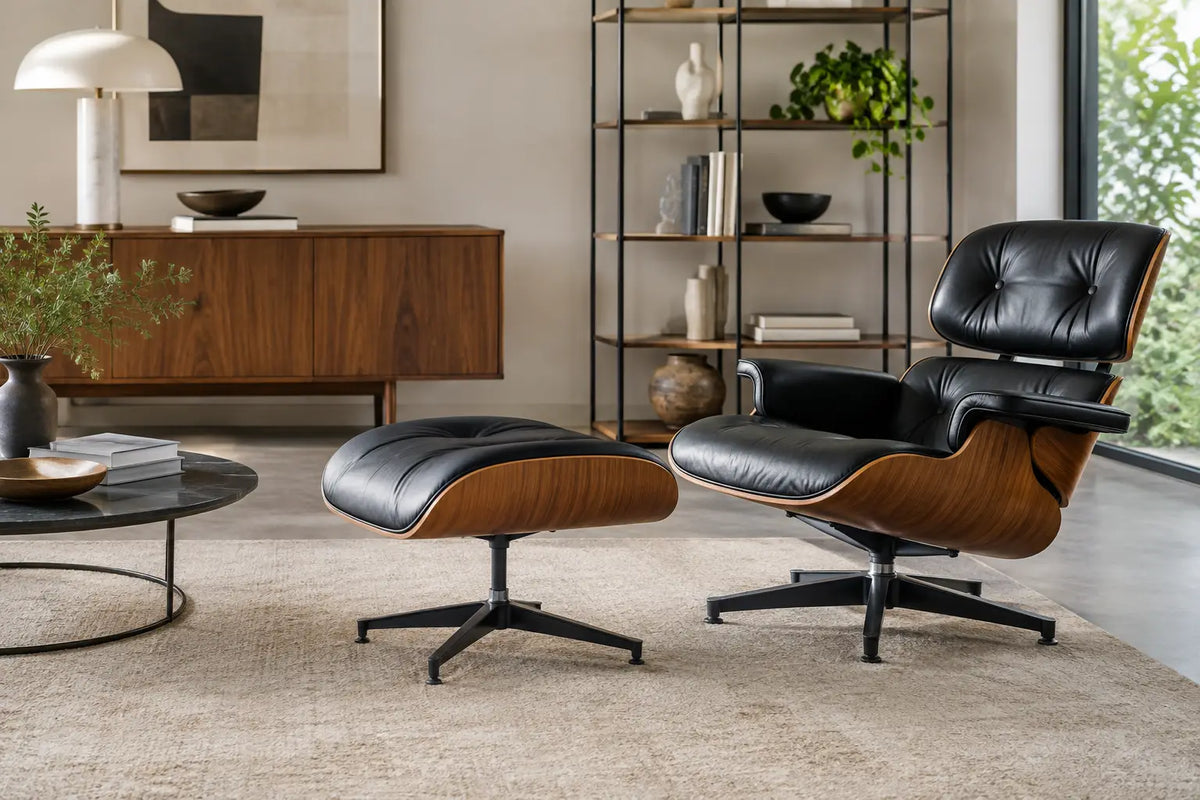
A chair can be beautifully made, generously priced and still not be collectible. The distinction becomes clear when furnishing a considered residence: collectible furniture brands bring a discernible design language, technical integrity and cultural relevance that outlast the immediate appeal of a new acquisition. They are chosen not simply to fill a room, but to give it authorship.
For private clients, this matters because a home assembled over time should feel increasingly assured, not dated by the tastes of a particular season. A collectible piece may be quietly architectural, sculptural or richly decorative, but it earns its place through quality that remains evident in daily use.
What Makes Furniture Collectible?
Collectibility is not determined by scarcity alone. A limited edition without rigour in design, materials or execution is unlikely to hold lasting interest. Equally, an iconic production piece can be highly collectable if it represents an important moment in a designer’s work or a defining development in furniture history.
The strongest examples tend to unite four qualities: a recognisable creative point of view, exceptional workmanship, a clear provenance and enduring relevance. Provenance may mean an established manufacturer, a documented designer, an artisan workshop with a distinctive method, or a meaningful commission. It allows a piece to be understood within a wider story rather than viewed as an isolated object.
Materials also carry considerable weight. Hand-finished timber, properly selected stone, cast bronze, saddle leather and finely worked upholstery age with dignity when specified and maintained correctly. Their patina is not an imperfection to be disguised. It is evidence of material depth and a life well lived.
Collectible Furniture Brands and Design Legacy
The most respected collectible furniture brands are usually defined by consistency rather than novelty. Their collections may evolve, yet their standards of proportion, construction and material selection remain legible across decades. That continuity enables a buyer to place a new console beside a vintage lounge chair without the room feeling like a showroom of unrelated purchases.
Design legacy can take several forms. Some brands are closely associated with the work of a particular architect or designer. Others are distinguished by technical innovation, such as complex cabinetry, experimental upholstery forms or remarkable metalwork. There are also ateliers whose reputation rests on the survival of specialist craft skills that cannot be reproduced convincingly at industrial speed.
This is why recognisability matters, though not in the superficial sense of a conspicuous logo. A finely resolved silhouette, an unusual joinery detail or a signature relationship between stone and metal can communicate a maker’s identity far more elegantly. In a private interior, this creates visual confidence without turning every room into a display case.
The value of an established edition
An editioned piece provides useful clarity, especially where works are made in small numbers. Edition size, date, materials, finish and designer attribution should be documented from the outset. A certificate alone does not guarantee significance, but accurate records support the object’s history and are reassuring should it later be insured, relocated or passed on.
There is a practical distinction between a numbered edition and a bespoke variation. A bespoke dining table may be exceptional because it has been designed for a particular architectural setting, while a limited-edition table may carry greater relevance to a designer’s body of work. Neither is inherently superior. The right choice depends on whether the priority is singularity, collectability, or a balance of both.
Begin With the Architecture, Not the Brand List
Collecting furniture for a home is different from collecting objects for storage. A piece can be important and still be unsuitable for its intended room. Before considering a maker, assess ceiling height, circulation routes, sightlines, natural light and the way the household actually lives.
A low, deeply proportioned sofa may have remarkable presence in a double-height reception room but feel oppressive in a compact London flat. Similarly, a monumental dining table needs sufficient perimeter space for chairs to move comfortably and for service to feel unforced. These are not secondary details. Proportion determines whether an object can be appreciated at all.
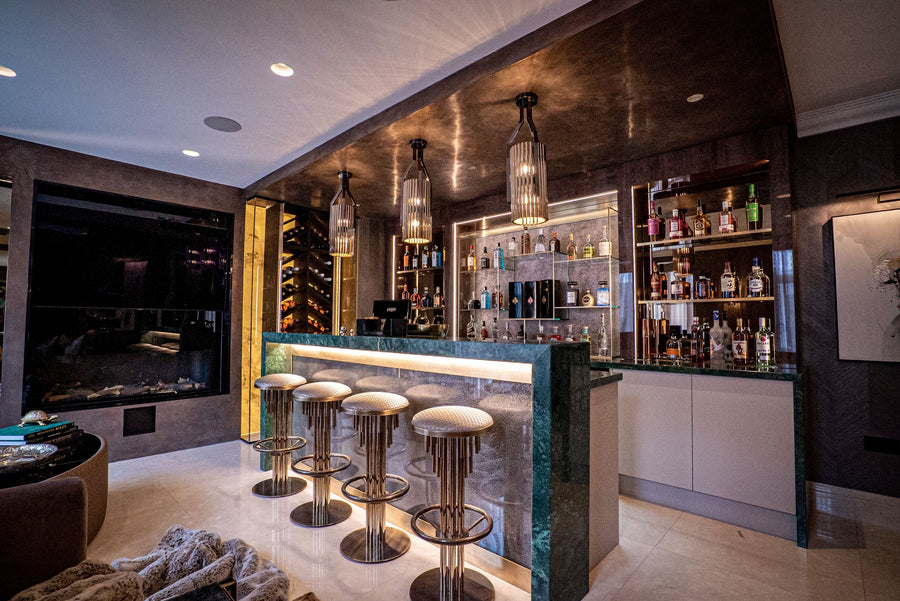
Material should respond to the environment. Open-pored timbers and untreated metals develop character, yet demand acceptance of change. Highly polished lacquers create a more formal effect but may show marks readily in a busy family room. Natural stone is remarkably durable, although some varieties are sensitive to acidic spills and require informed care. A well-specified home acknowledges these realities rather than treating furniture as untouchable sculpture.
Consider the room as a composition
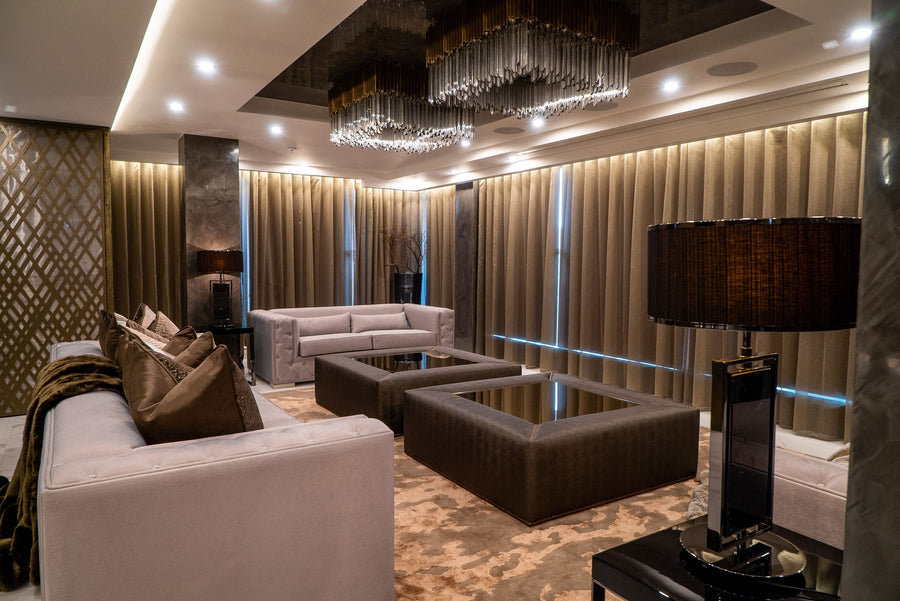
A room containing several collectible pieces needs hierarchy. One substantial focal piece might be a sculptural sofa, a rare chandelier or a dining table with exceptional stonework. Supporting furniture should establish rhythm and utility without competing for attention.
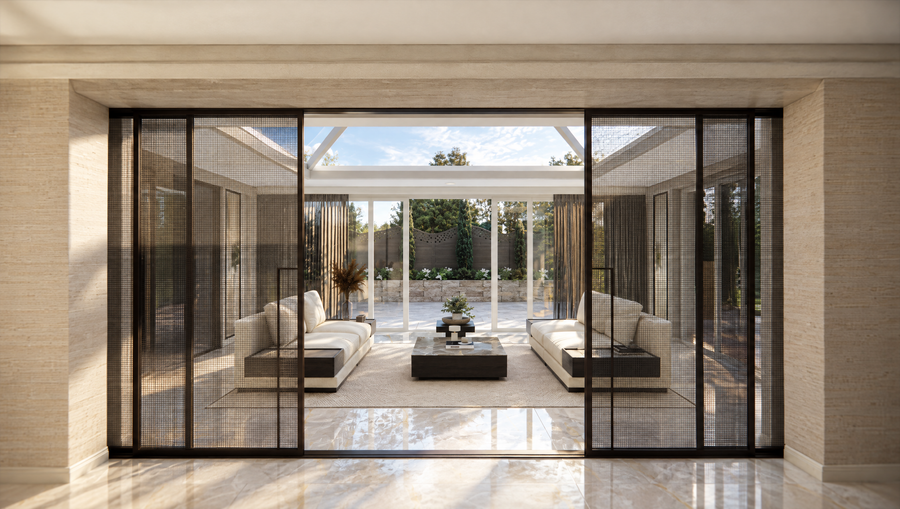
This approach is particularly effective in homes with strong architectural character. In a period property, a contemporary collectible piece can sharpen the dialogue between original detailing and modern life. In a new-build penthouse, antique or craft-led furniture can introduce texture and gravitas. The aim is not contrast for its own sake, but a composition in which every item has a reason to be there.
How to Assess Craftsmanship and Condition
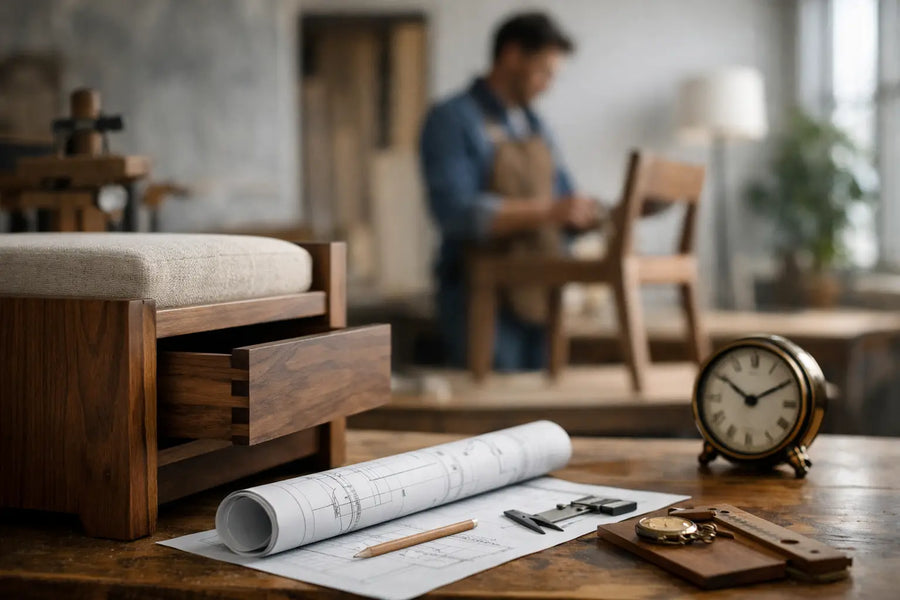
Photographs can reveal a great deal about form, but rarely enough about construction. When assessing a collectible piece, inspect its structure as closely as its surface. Cabinet doors should align and operate smoothly; drawers should feel considered rather than merely functional; upholstery should hold its shape; timber joints should be clean and stable. On seating, comfort should never be sacrificed to sculptural intent, particularly where the piece will be used every day.
For vintage furniture, condition requires a more nuanced view. Honest wear can enhance value and character, while crude repairs, replacement components or poorly executed refinishing may compromise both. Ask what has been altered, whether materials remain original and how any restoration was undertaken. A sensitive conservation approach is often preferable to making an older piece appear newly manufactured.
Scale is another frequently overlooked factor. Dimensions should include not only width, height and depth, but visual mass. A glass and bronze table may occupy the same footprint as a timber design yet read entirely differently in a room. Request material samples where possible and view finishes under the lighting conditions of the property. The same velvet can appear warm and enveloping in daylight, then unexpectedly cool beneath certain LEDs.
Buying With a Long View
Furniture should not be selected solely on the assumption of financial appreciation. Values can shift with scholarship, changing tastes, availability and condition. The more dependable return is the pleasure of living with an object that remains compelling after familiarity has replaced first impression.
A disciplined acquisition strategy is therefore more valuable than chasing perceived rarity. Keep documentation, invoices, edition details, maker correspondence and condition reports together. Arrange appropriate insurance, and commission specialist care for delicate finishes, stone and upholstery. These simple practices protect both the physical piece and the record of its ownership.
It is also wise to allow a collection to develop gradually. Rooms often become more resolved when there is space between decisions. A considered pause can reveal whether the next acquisition should introduce softness, a new material, a stronger silhouette or simply remain absent.
Touched Interiors approaches collectible furnishing as part of the wider architecture of a home, considering how each piece performs, ages and contributes to a coherent personal setting. The most satisfying collections do not announce themselves all at once. They reveal judgement in the details, and become more meaningful with every year of use.
Touched Interiors
The Insider is written by the Touched Interiors design studio in Manchester, founded by Kunal Trehan in 2009 and named Interior Design Studio of the Year in 2024 and 2025. About the studio.