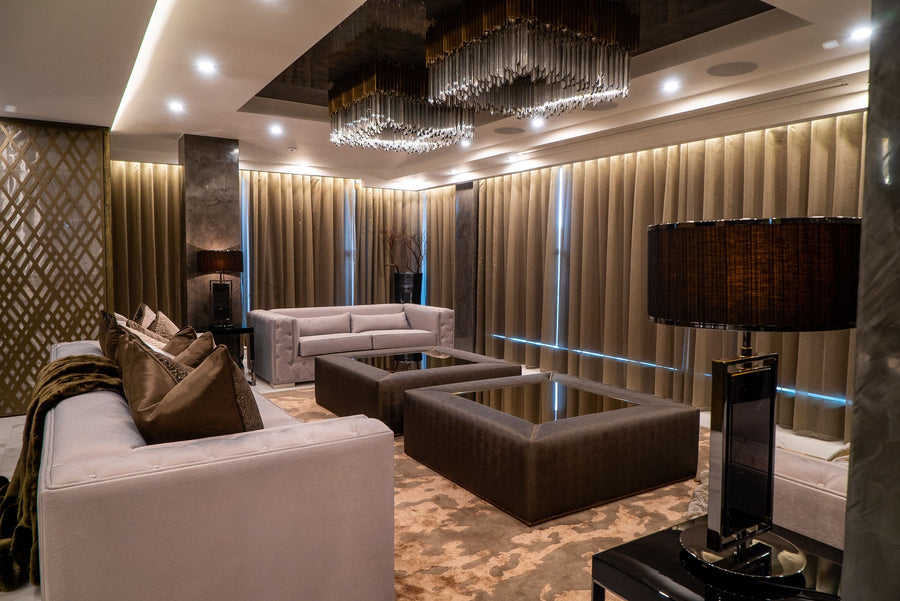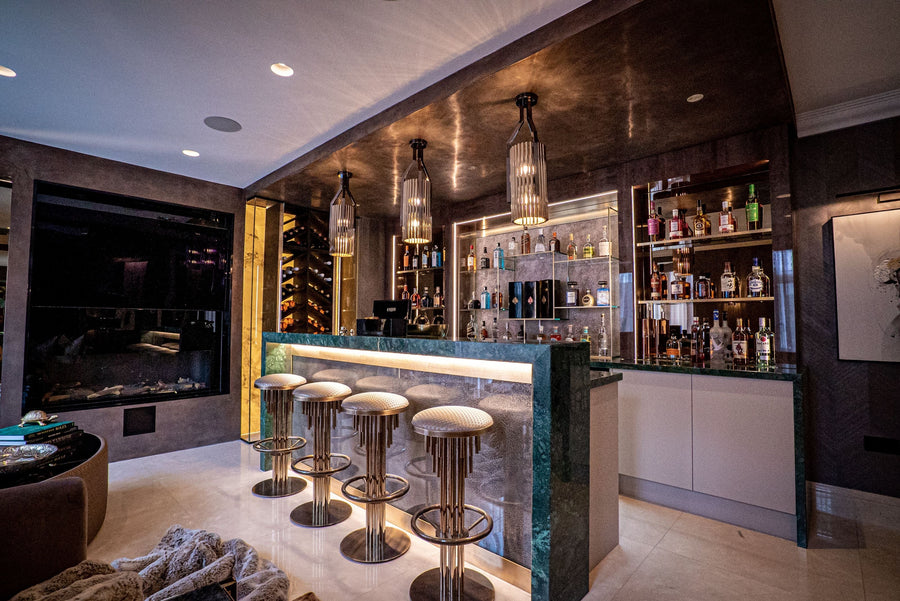


A beautifully resolved interior can be undermined by one poorly judged delivery, a fabric that performs differently in reality, or a dining table that cannot clear the lift. So, what does interior procurement include? Far more than placing orders. It is the disciplined process of sourcing, specifying, purchasing, coordinating and installing every selected element so that the finished home is coherent, functional and delivered to the intended standard.
For a substantial residential project, procurement is the bridge between the design scheme and daily life. It protects the integrity of the concept while managing the practical realities of lead times, manufacture, access, storage, quality control and installation.
What interior procurement includes from brief to installation
Interior procurement begins once the design direction has been sufficiently developed to make informed decisions. In some projects, it runs alongside technical design, particularly where bespoke joinery, specialist lighting or long-lead furniture must be commissioned early. Its scope varies, but a considered service typically covers the furnishings, fittings and finishes that bring a residence into use.
This can include furniture for every room, decorative and architectural lighting, rugs, window treatments, wallcoverings, artwork coordination, accessories, mirrors, cushions and bed linen. It may also extend to bespoke cabinetry, upholstery, bathroom fittings, hardware, audiovisual elements and outdoor furniture. The dividing line between procurement and construction is not always fixed: a built-in banquette, for example, may involve the interior designer, joiner, contractor and upholsterer in equal measure.
The work is not simply a matter of selecting attractive pieces. Each item must suit the room’s proportions, the way it will be used, its relationship to neighbouring finishes and the technical constraints of the property. A sofa can look entirely right in a presentation yet prove unsuitable if its seat height conflicts with a low window sill, its fabric is impractical for a busy family room, or its sectional components cannot be manoeuvred through a stairwell.
Specification and sourcing
A procurement schedule records the information required to purchase and deliver each item accurately. It ordinarily identifies the supplier, product reference, dimensions, finish, upholstery, quantity, price, lead time and delivery requirements. For made-to-order pieces, it should also capture approved drawings, fabric references, timber stains, metal finishes and any project-specific amendments.
Sourcing involves comparing suitable options against the brief rather than defaulting to a familiar catalogue. A luxury interior may call for a particular scale, a rare stone, a hand-applied finish or a tailored configuration that standard retail dimensions cannot provide. Established makers can often adjust a frame, alter a depth, change a leg detail or develop a bespoke finish, but those decisions need to be settled before manufacture begins.
This is where professional judgement has real value. The lowest initial quotation may not represent the best long-term choice if construction is lightweight, replacement parts are unavailable or the finish is unsuitable for the intended environment. Equally, the most elaborate option is not automatically right. A formal reception room may justify a delicate silk wallcovering; a sunlit family kitchen is likely to demand materials with greater tolerance for light, heat and regular use.
Samples, approvals and technical coordination
Luxury schemes are judged by close observation. Timber, stone, lacquer, leather and woven textiles all respond differently to daylight, artificial light and their surrounding materials. Procurement therefore involves reviewing samples together, assessing colour and texture in the property where possible, and confirming that batch variations remain within an acceptable range.
For bespoke furniture and joinery, technical drawings are checked before an order is released. Dimensions, fixing positions, electrical requirements, door swings and clearances all need coordination. Decorative lighting is a frequent example: the fitting may be selected early, but its final drop, ceiling support, dimming compatibility and relationship to dining furniture must be resolved with the electrical and construction teams.
No two homes present identical conditions. Period properties can have uneven walls and restricted access; a penthouse may impose strict delivery slots and lift dimensions; an international project may require additional attention to crating, customs documentation and local installation capability. Procurement translates these constraints into an achievable delivery plan.
Purchasing, payment and supplier management
Once specifications are approved, the procurement team obtains formal quotations, confirms terms and places orders. This stage requires care because many premium pieces are made to order and cannot be altered or returned once production has commenced. The purchase order should reflect every agreed detail, rather than relying on an early presentation image or an informal email exchange.
Supplier management continues throughout manufacture. Lead times are monitored, deposits and staged payments are administered, and the team follows up on drawings, production updates and expected completion dates. A well-managed schedule identifies risk early. If a particular fabric is delayed, a replacement can be considered before it affects installation, not after the room is already waiting for its final sofa.
Clients often assume that a confirmed order guarantees a fixed completion date. In practice, artisan production, natural materials and international freight can introduce movement. Good procurement does not promise that uncertainty will disappear. It makes the dependencies visible, builds sensible contingency into the programme and responds quickly when a change is necessary.
Logistics, warehousing and delivery coordination
The less visible part of interior procurement is frequently the difference between a composed installation and a disjointed one. Furniture seldom arrives from one source on one day. A residence may contain pieces from numerous specialist makers, each with different production calendars, delivery conditions and packaging requirements.
A procurement service can coordinate consolidated deliveries to a warehouse, inspect goods on arrival, store them safely and arrange a planned final delivery. This avoids filling an unfinished property with loose cartons, exposes damage before installation day and enables the home to be dressed as a whole rather than in fragments.
Logistics planning also addresses access. Measurements should be taken for entrances, corridors, staircases, lifts and turning points before large items are ordered. For listed townhouses and high-rise residences, permissions, loading restrictions and building management requirements can be as important as the furniture itself. A refined procurement process anticipates these details instead of leaving them to the delivery crew.
Quality control and installation
Receiving an item is not the same as accepting it. On arrival, furniture and lighting should be inspected for damage, correct dimensions, finish consistency and compliance with the approved specification. Natural stone veining, hand-finished metals and timber grain will have individual character, but they should still meet the agreed design intent.
Installation then brings together furniture placement, lighting assembly, window dressings, artwork and accessories. It is a carefully sequenced exercise. Rugs are positioned before major furniture is finalised; lighting is installed and tested; curtains are steamed and dressed; cushions, objects and styling layers are introduced once the principal pieces are in place. The final arrangement is adjusted in the room, where sightlines, movement and balance can be properly understood.
A snagging process follows installation. This might involve correcting a finish, replacing a damaged component, adjusting curtain hems or returning to align a piece of joinery. It is a necessary part of a high-standard delivery, particularly where several bespoke elements have been brought together for the first time.
Procurement versus simply buying furniture
It is possible to purchase individual pieces directly, particularly for a focused refresh or a single room. For straightforward requirements, that may be entirely appropriate. Full procurement becomes especially valuable when a project involves multiple suppliers, bespoke commissions, construction coordination or a fixed completion date.
The distinction is accountability. Buying furniture gives you ownership of the transaction. Interior procurement manages the chain of decisions and responsibilities around it: confirming the specification, tracking the order, arranging delivery, checking the goods and placing them correctly within the wider scheme.
At Touched Interiors, this work is considered part of the design responsibility, not an administrative afterthought. The selected objects, materials and fittings must arrive with the same care with which they were chosen.
A well-procured home does not announce the effort behind it. Furniture sits at the right scale, light falls where it should, fabrics feel appropriate to the room and the practical details have already been resolved. That quiet sense of order is often the clearest sign that the project has been properly managed.
Touched Interiors
The Insider is written by the Touched Interiors design studio in Manchester, founded by Kunal Trehan in 2009 and named Interior Design Studio of the Year in 2024 and 2025. About the studio.